Sport Clubs
✨Brightest stars in the darkest times. ✨
Care does not always appear in moments of historical rupture or visible crisis. Sometimes it appears quietly, in everyday places where people are allowed to belong before they are asked to explain who they are.
This story is about sport clubs.
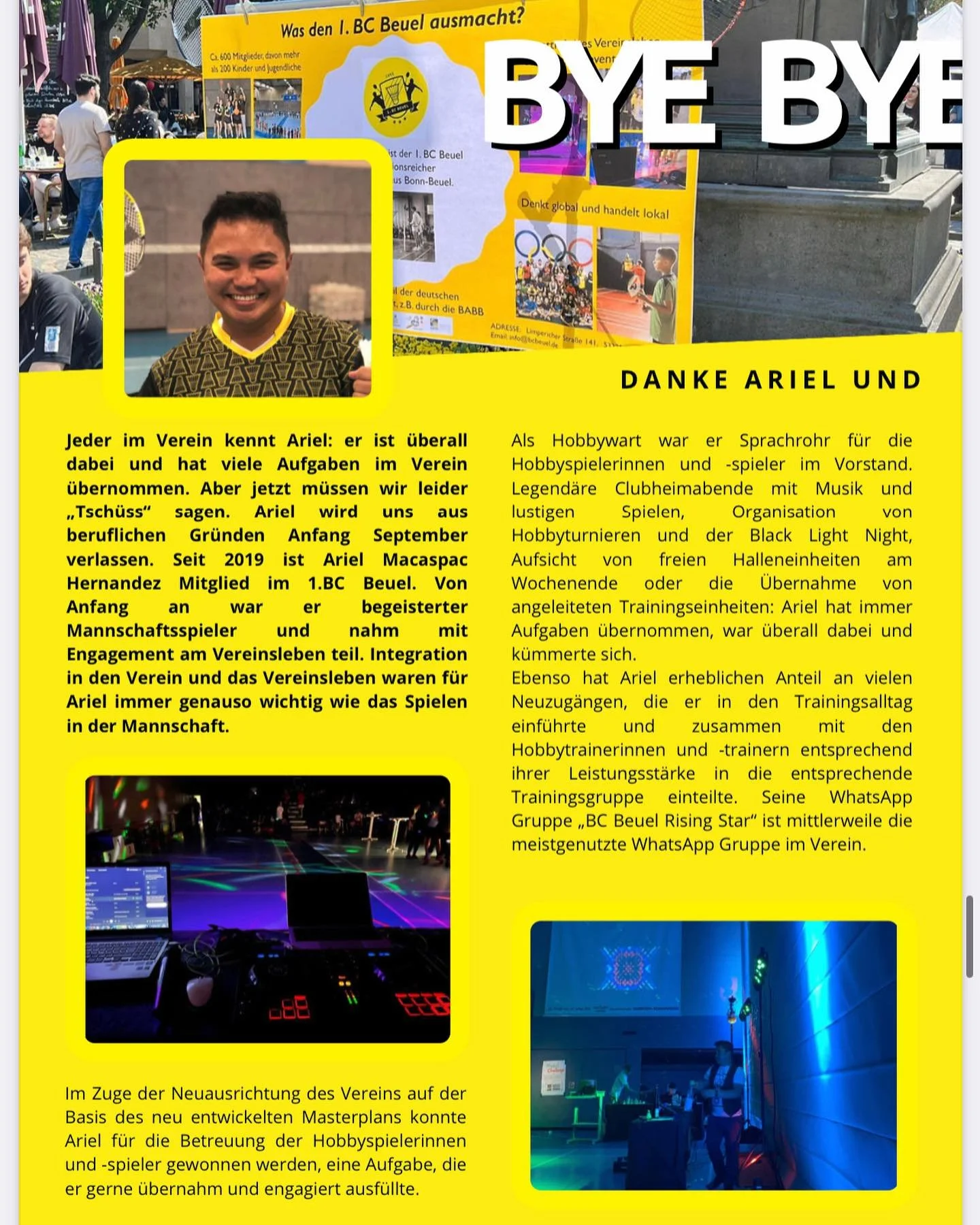
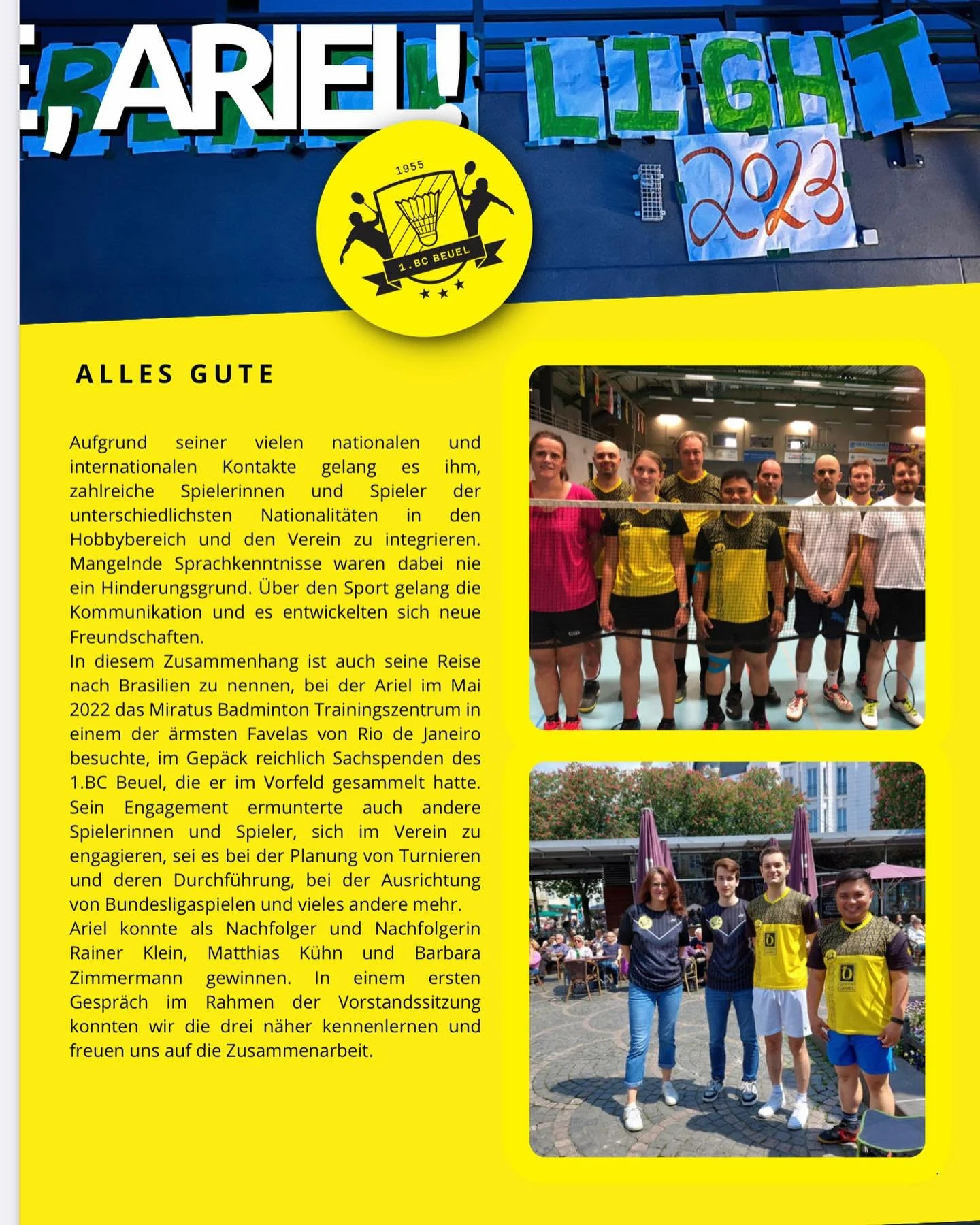
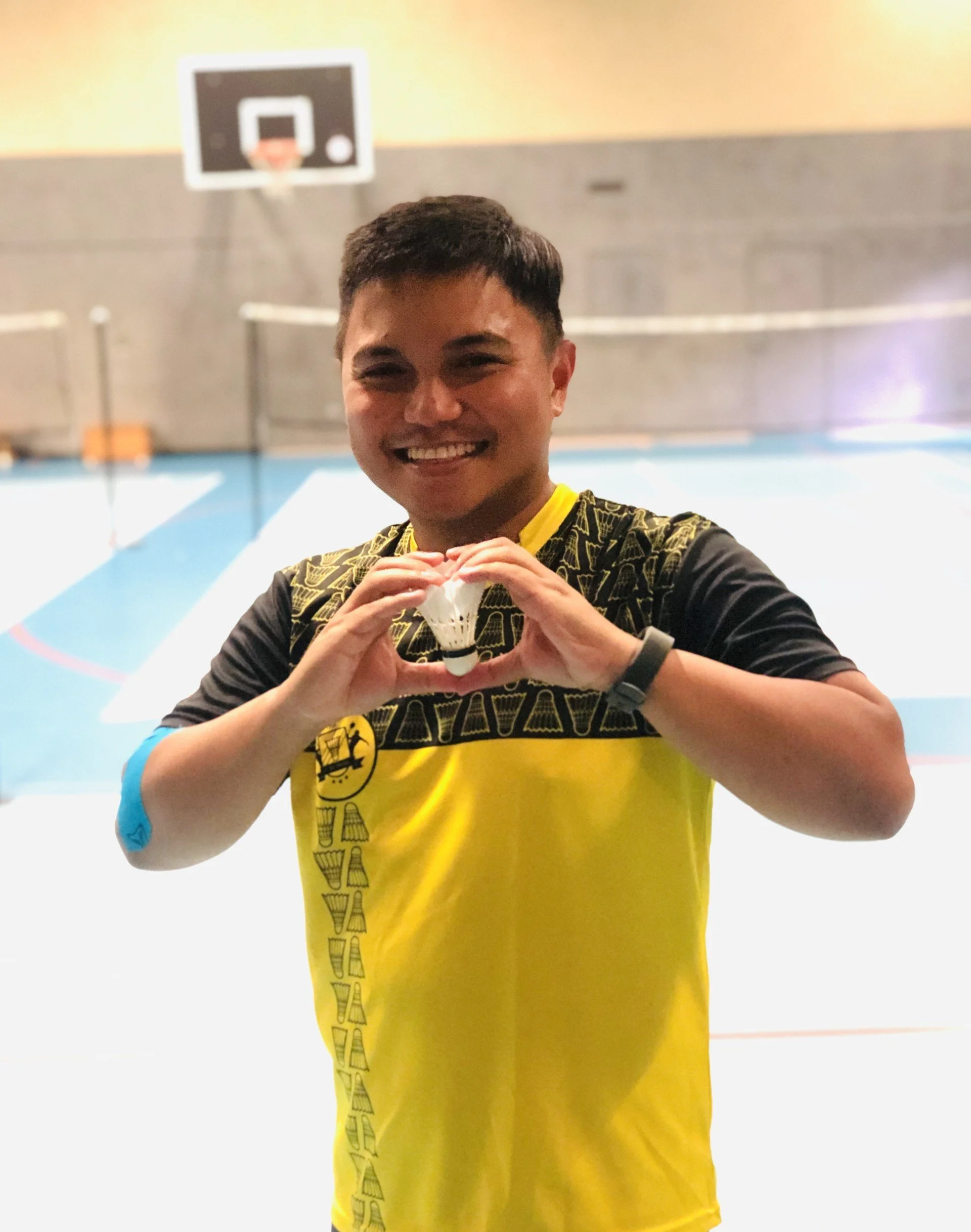
During my time in Bonn, I became part of the 1. Badminton-Club Beuel 1955 e.V. . What began as training and competition slowly became something else. I found a community. For a while, I found purpose.
I was competitive. At that time, I only felt whole when I delivered. I won and lost matches, played league games, served as team captain, and took responsibility as the club’s Hobbywart. Then something shifted. What mattered most was no longer performance. It was recognition through connection. Being seen as a teammate before being seen as anything else.
During the pandemic, this club became my rock. At a time when many connections dissolved, the rhythm of training, responsibility to others, and shared goals offered stability. It played a quiet but decisive role in my own healing process.
As soon as the lockdown was no longer in effect, I led the organization of an amateur badminton tournament in Bonn. More than 300 players came to compete and connect, around 150 of them with a migration background. For many, it was not just about sport, but about being back in a shared space. Playing, meeting, and being part of something again. For me, the highlight of that tournament was a marriage proposal during the awarding ceremony (and she said yes!).
And when I left for Hamburg, the club dedicated a heartfelt article in our magazine recognizing less what a single person could contribute but more what the club made possible.
This experience connects directly to my earlier work on the integrative functions of sport clubs. Sport is often conflictual by design. There are winners and losers. Competition is explicit. And yet, precisely because of its rules, routines, and shared commitments, sport can create belonging across difference. Migrants and refugees often encounter society for the first time through clubs like these. Not as cases. Not as problems. But as team members.
In divided communities, sport clubs can build bridges where language, status, or biography still separate. Identity emerges through shared effort, trust, and mutual reliance. Sometimes the darkness is not structural or historical, but internal. Isolation, uncertainty, and the search for connection. In those moments, sport clubs can become brightest stars.
Not because they solve everything. But because they offer a place to start.
Throughout 2026, I will continue to share stories of care that happens quietly, relationally, and often without being named as such. Stories that remind us that belonging is not abstract. It is practiced.
#BrightestStars #Care #Belonging #SportForInclusion Deutscher Badminton Verband e.V. / German Badminton Association