
Researching, imagining, and shaping transformative futures

Relational Knowledge for a World in Transformation
How can old and new ways of knowing, caring, and cooperating transform governance under systemic crisis and enable human flourishing?
Evidence. Reason. Care. Imagination.
Four ways of knowing. One purpose.
The complex challenges of the twenty-first century cannot be addressed through scientific evidence alone. Lasting transformation also requires reason to navigate complexity, care to define what truly matters, and imagination to envision futures worth creating.
My work brings these four forms of knowledge together through research, dialogue, creativity, and public engagement to develop new approaches to sustainability, governance, and human flourishing.


Four Pillars
My work explores four interconnected pillars

Transformation
Understanding how societies navigate profound change.
The world is undergoing multiple and interconnected transformations that challenge existing systems of governance, development, and cooperation. My research examines how institutions, policies, and societies respond to complexity, uncertainty, and polycrisis, while identifying pathways towards more just and sustainable futures.
Human Flourishing
Placing people and care at the centre of transformation.
Sustainability is ultimately about enabling both people and nature to flourish. My work explores how care, justice, well-being, dignity, and relationality can become guiding principles for governance and public policy. Through concepts such as Homo Curans, I seek to broaden our understanding of development beyond economic growth towards human flourishing.
Dialogue
Turning knowledge into collective action.
Scientific knowledge creates its greatest value when it informs decisions and enables collaboration. My work bridges science, policy, and society through stakeholder dialogue, negotiation, science diplomacy, and participatory research, helping diverse actors co-create solutions to complex sustainability challenges.
Creative Futures
Expanding the imagination of what is possible.
Transformative change requires more than evidence. It also requires imagination. Through storytelling, visual art, futures thinking, and the development of aspirational knowledge, I explore how creativity can inspire new ways of understanding societal challenges and open pathways towards futures in which people and nature flourish together.
Ideas in Progress
Ideas shape the futures we create.
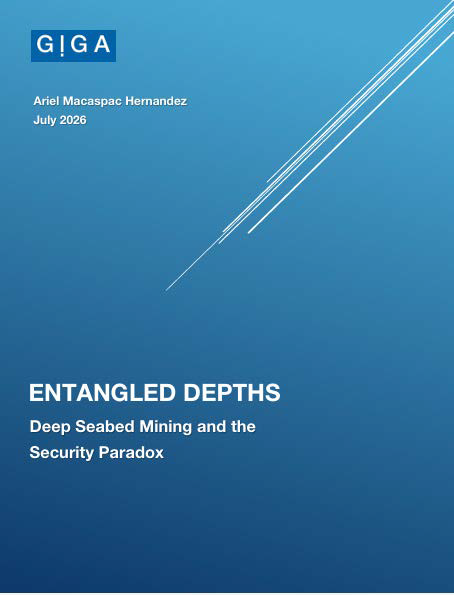
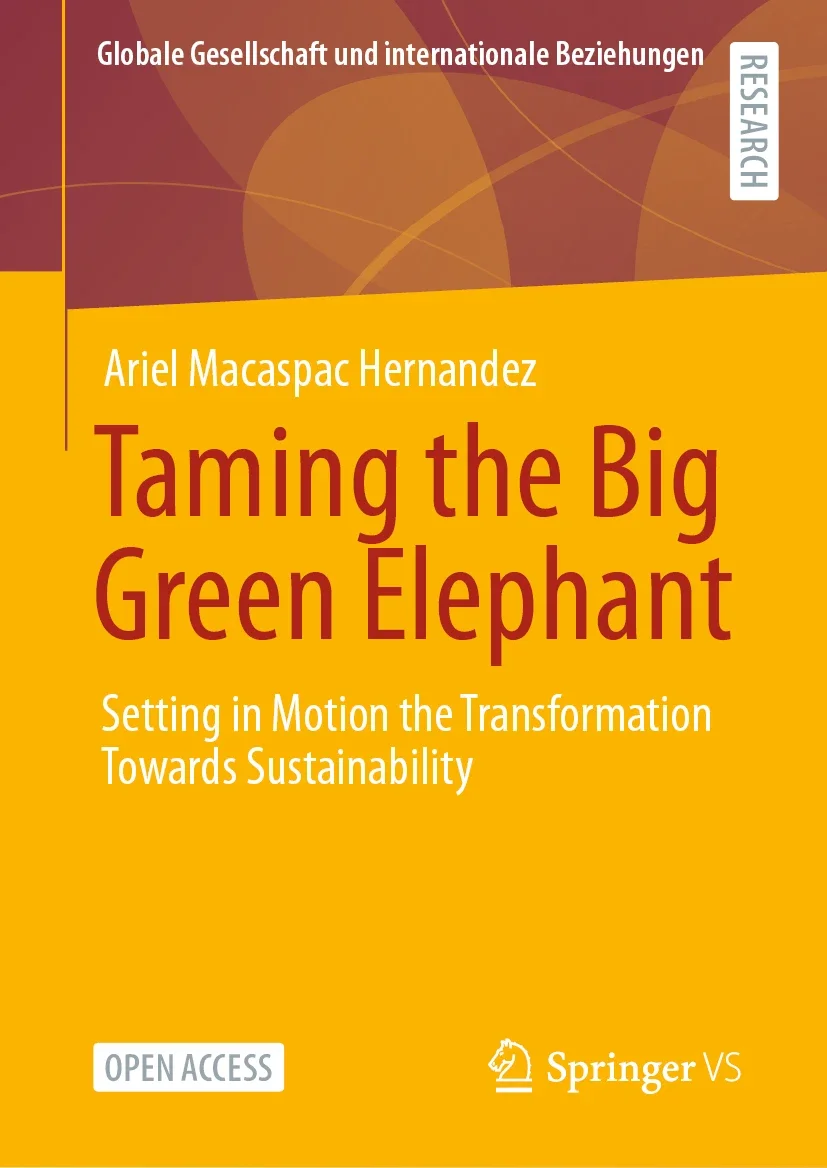
I explore new ways of understanding and enabling societal transformation. Alongside ongoing research projects, I am developing concepts such as Aspirational Knowledge and Homo Curans, which seek to broaden the role of science beyond explaining the world towards imagining and shaping more just, caring, and flourishing futures. These ideas are works in progress, inviting dialogue across disciplines, policy, and society.
🌼Stories for a Fragile Planet. 🌼
A Philosophy of Childhood.
In June 2026, I spent a day with close friends in Switzerland and their two young sons. That evening, I was asked to tell a bedtime story. After reading two stories from a book, I invented a third. It was about a little sparrow searching for happiness. I soon realised that the story had not appeared by chance. It had been waiting quietly for years.
As a researcher, many ideas find their way into academic articles, policy reports, and books. Others ask for a different language. They speak through stories, where wonder, imagination, and emotion can illuminate questions that research alone cannot fully capture.
That discovery gave birth to Stories for a Fragile Planet, a collection of original stories inspired by Filipino mythology, nature, and the remarkable children who inspired each tale.
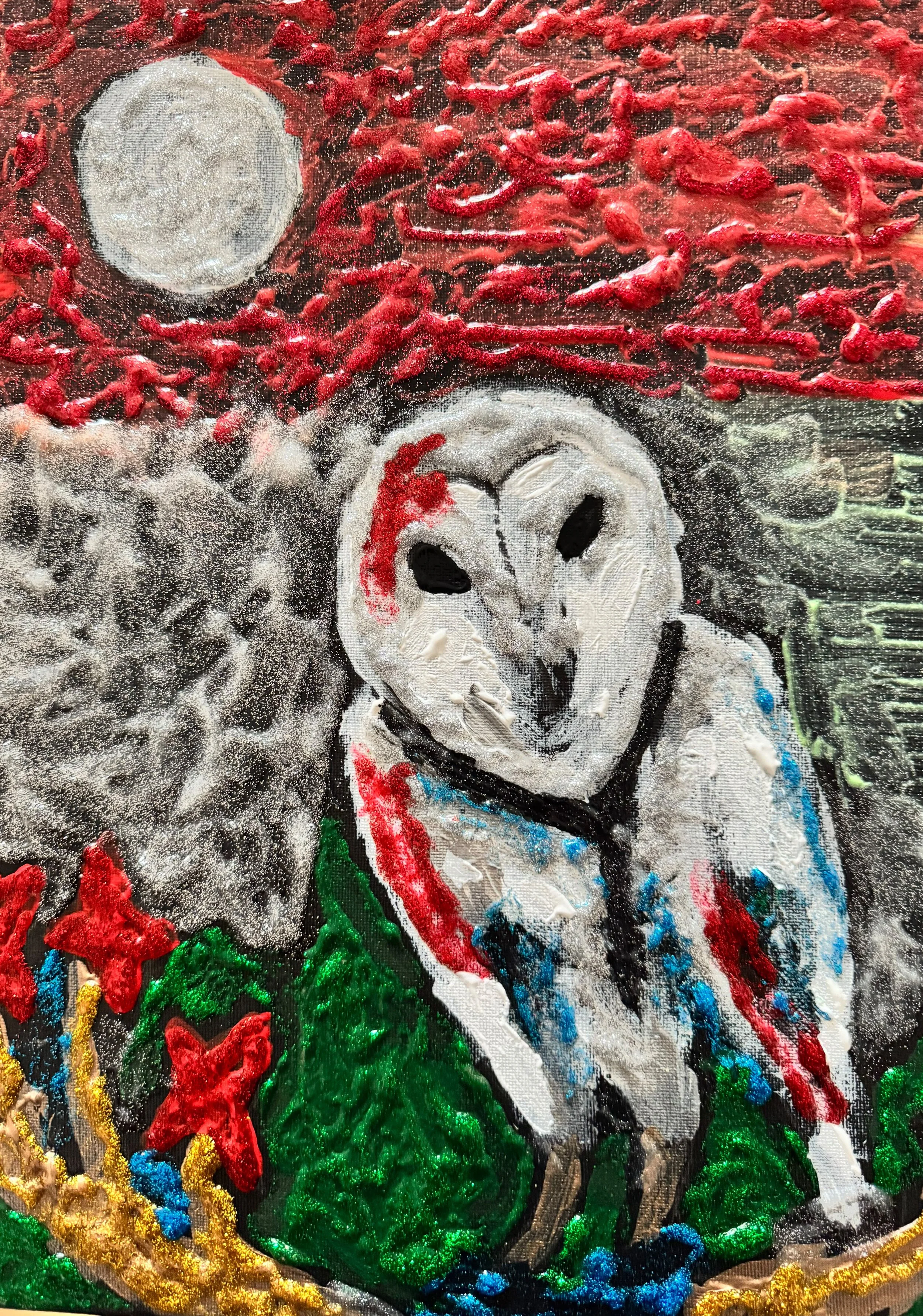
At the heart of these stories is Lolo Dunong, an old owl who has spent a lifetime listening to forests, rivers, mountains, and the sea. Young creatures seek him out in search of answers, but he rarely gives them. Instead, he asks the question that helps each one discover the answer for themselves. From his ancient mahogany tree begins a journey through stories of courage, kindness, resilience, belonging, biodiversity, climate change, sustainability, and the many ways humans and nature flourish together.
Each story begins with a child. Every tale is inspired by a real child, their family, and the hopes they carry into the future. Each tale is accompanied by an original painting and offered as a small gift for future generations.
Welcome to Stories for a Fragile Planet. May these stories inspire children and adults alike to care for one another and for the extraordinary living world we share.

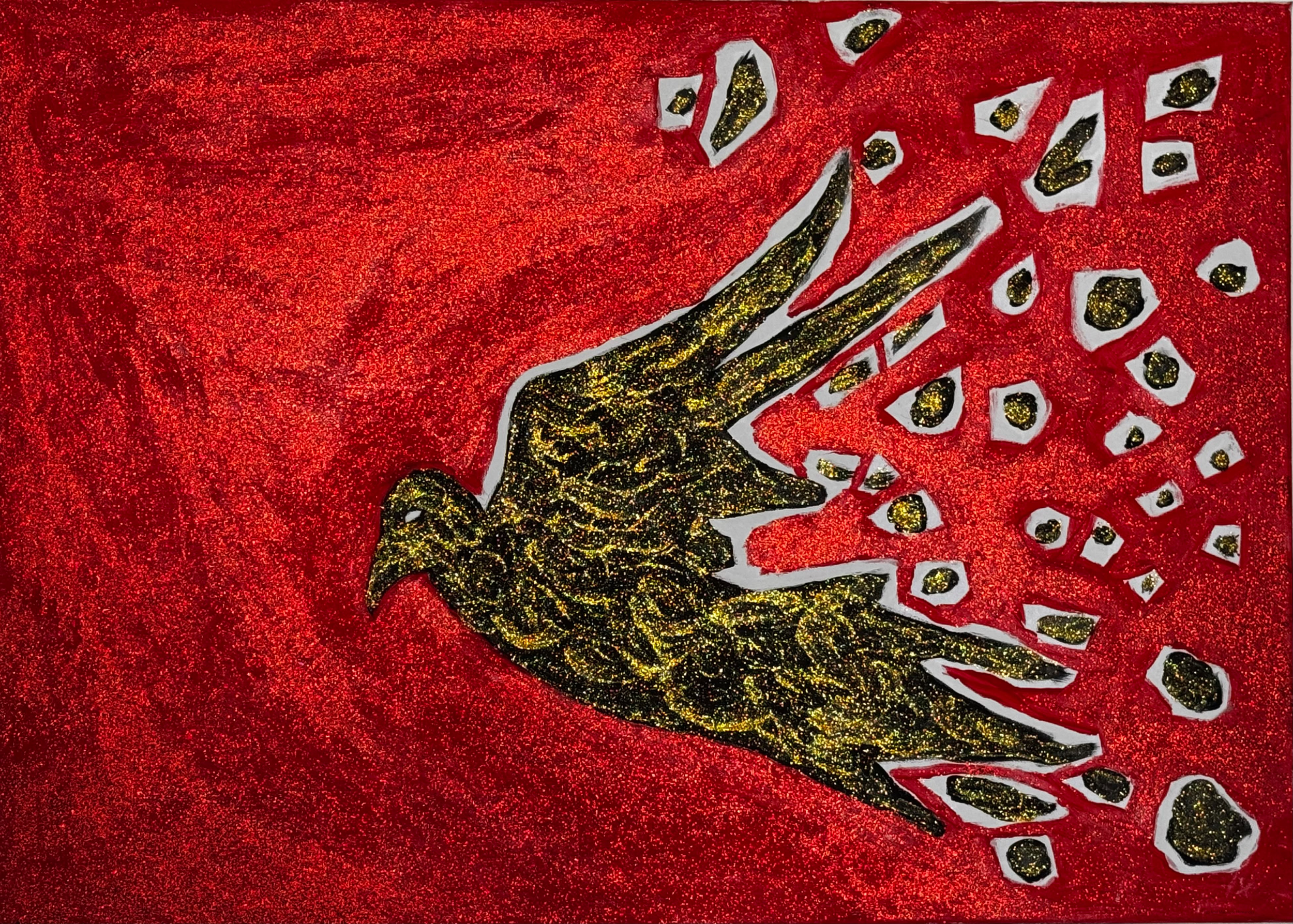
✨ Brightest Stars in Dark Times ✨
During the first half of 2026, I shared personal reflections that reminds us of a simple but often forgotten truth: even in the darkest chapters of human history, light does not disappear. It persists in individuals, in institutions, in small social practices, and in cultural traditions that are easily overlooked.
The “brightest stars” are not only courageous people. They also include acts of solidarity, quiet infrastructures of care, community rituals, ethical innovations, and social spaces that protect dignity when cruelty, fear, or indifference seem to dominate.
The series was grounded in the conviction that care is not an exception to human nature. It is part of who we are. Yet public discourse often magnifies violence and breakdown while neglecting the elements of society that sustain trust, belonging, and responsibility.
Through these weekly reflections, I aimed to make these overlooked elements visible again.
All posts were published weekly on LinkedIn throughout 2026 and are archived here with links to the original discussion. The series is closely connected to my work on care, governance, and human flourishing, and forms part of a broader intellectual exploration of what I call Homo Curans, the caring human.



Teaching and Training

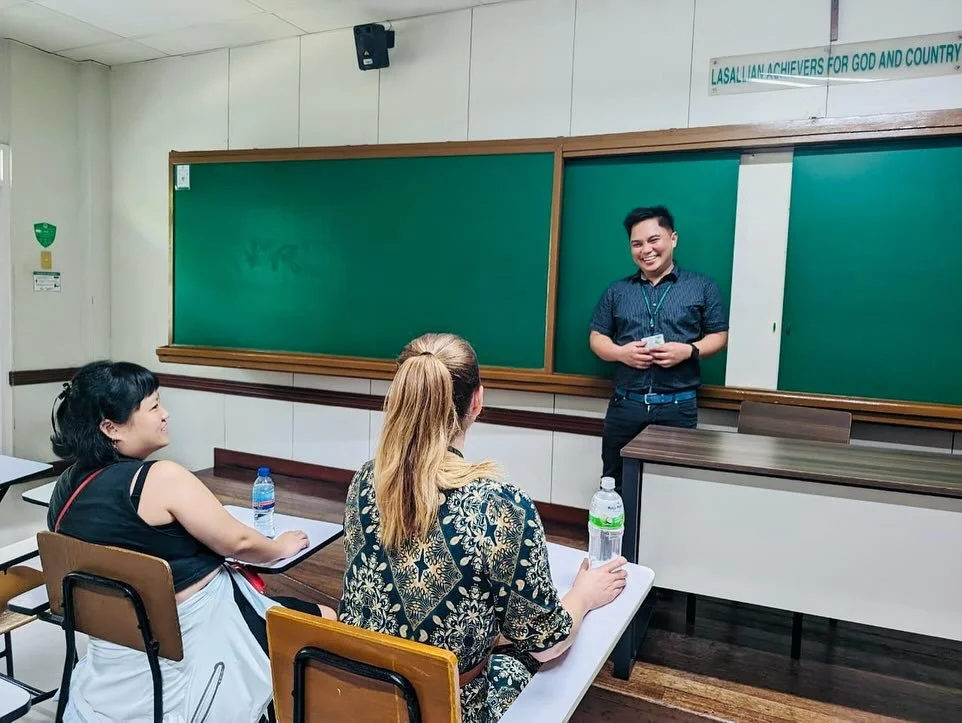
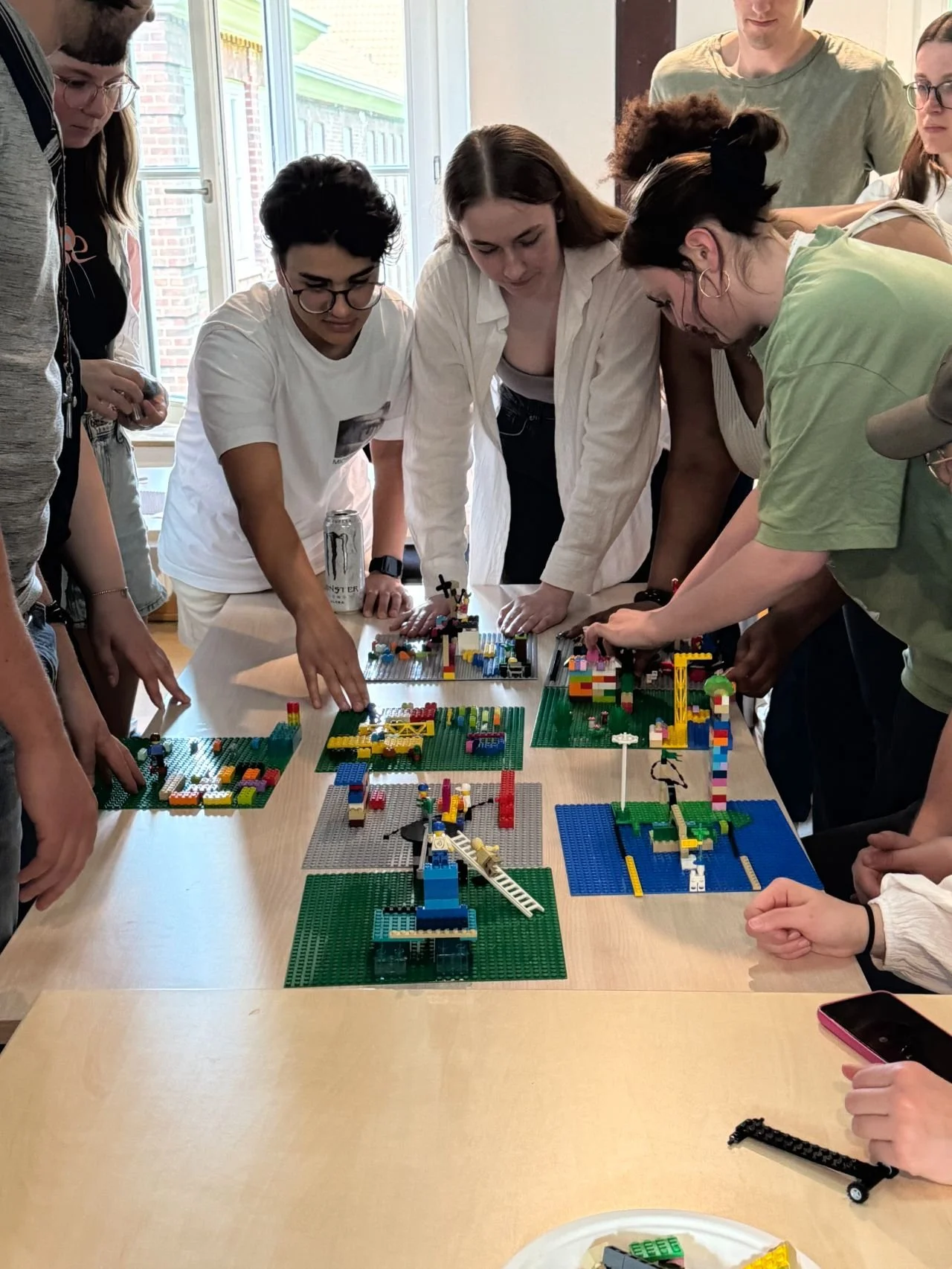
Teaching is central to my academic work. It is an opportunity to equip the next generation of scholars, practitioners, and decision-makers with the knowledge, critical thinking, and collaborative skills needed to navigate an increasingly complex world. My courses combine rigorous academic foundations with interactive, problem-based learning, encouraging students to engage with real-world sustainability challenges through dialogue, systems thinking, simulations, and applied research.
I have taught at universities and professional programmes in Germany, the Philippines, Mexico, Spain, Estonia, and Jamaica. Beyond the university classroom, I regularly design and facilitate executive trainings, workshops, and capacity-building programmes for governments, international organisations, civil society, and the private sector.
My teaching and training cover sustainability transformations, environmental governance, climate change, food systems, science diplomacy, international development, conflict management, negotiation, foresight, and Global North-South relations. Across all settings, the aim is the same: to foster intellectual curiosity, critical reflection, and the confidence to translate knowledge into meaningful action.
Stakeholder Dialogue and Science Communication
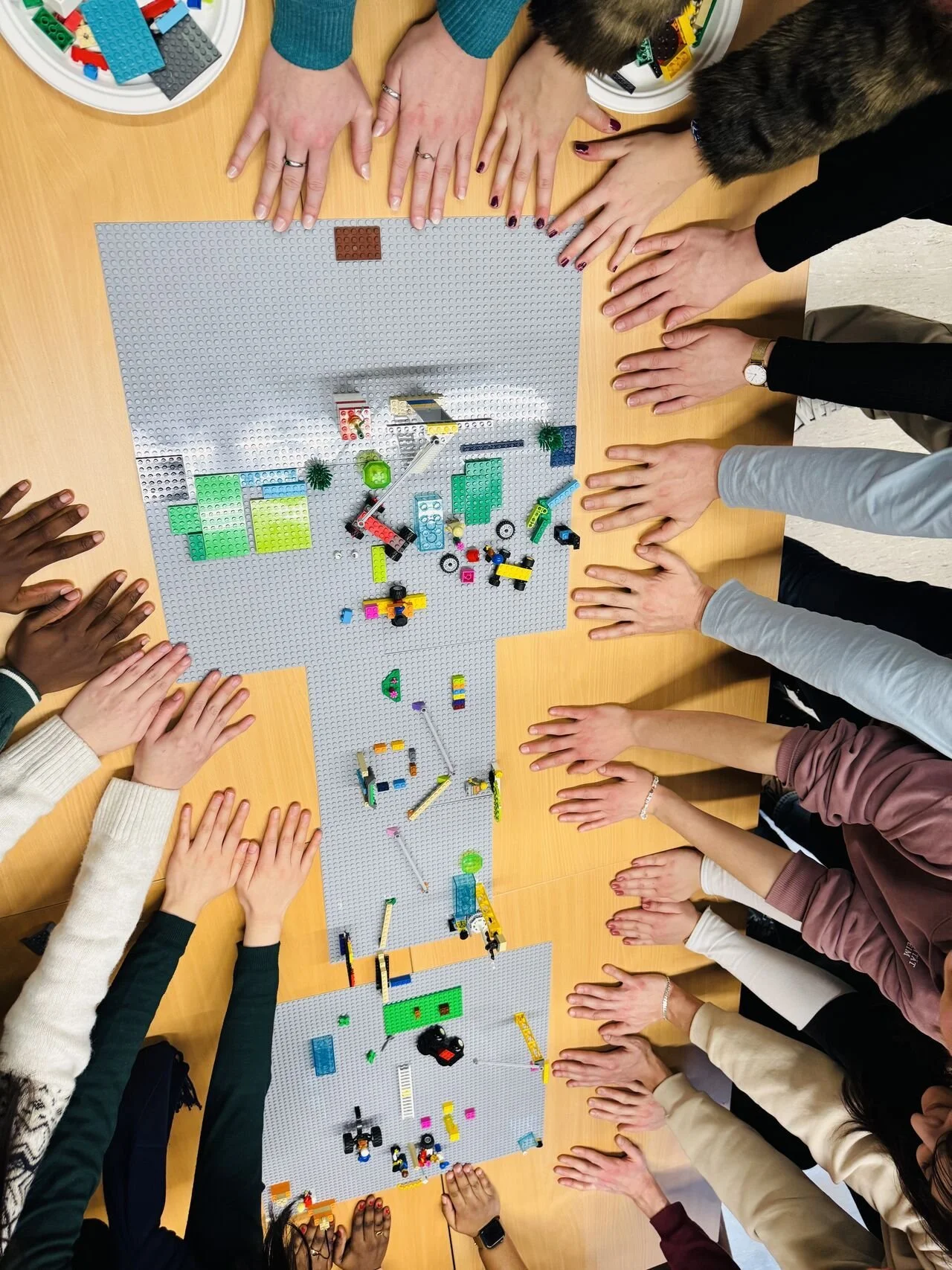
Research creates its greatest value when it informs public debate, policy, and collective action. Throughout my career, I have worked at the interface of science, policy, and society, translating academic research into practical frameworks while bringing diverse actors together to co-produce knowledge. Rather than viewing communication as the final step of research, I see dialogue as an integral part of the research process itself.
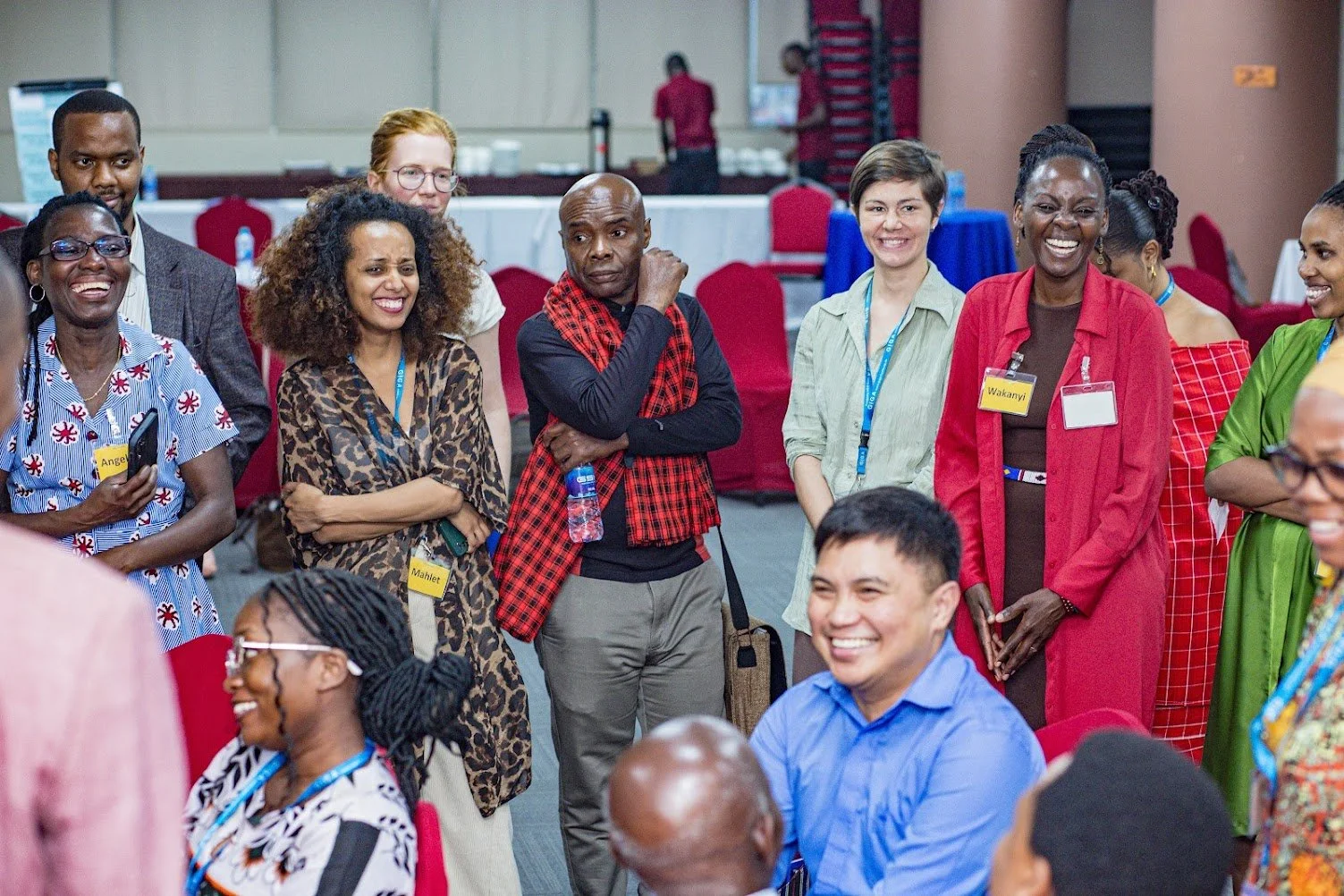
Over the past 15 years, I have convened and facilitated more than 50 international workshops, dialogues, and capacity-building programmes across more than 20 countries. These engagements have brought together scientists, policy-makers, businesses, civil society organisations, international organisations, and local communities to address complex sustainability challenges through participatory learning and collaborative problem-solving.
My science communication activities extend beyond academic audiences. Through public lectures, policy briefs, media contributions, executive training, and digital platforms, I seek to make complex scientific knowledge accessible, relevant, and actionable. This includes communicating evidence on climate governance, biodiversity, food systems, energy transitions, and sustainability transformations to audiences ranging from international negotiations and government agencies to practitioners, educators, and the wider public.
Central to this work is the belief that effective science communication is not simply about transferring knowledge. It is about creating spaces for dialogue, integrating different forms of expertise, and building trust across disciplines, sectors, and cultures. By connecting rigorous research with practical decision-making, my work seeks to strengthen the contribution of science to more just, resilient, and sustainable futures.
Speaking Engagement
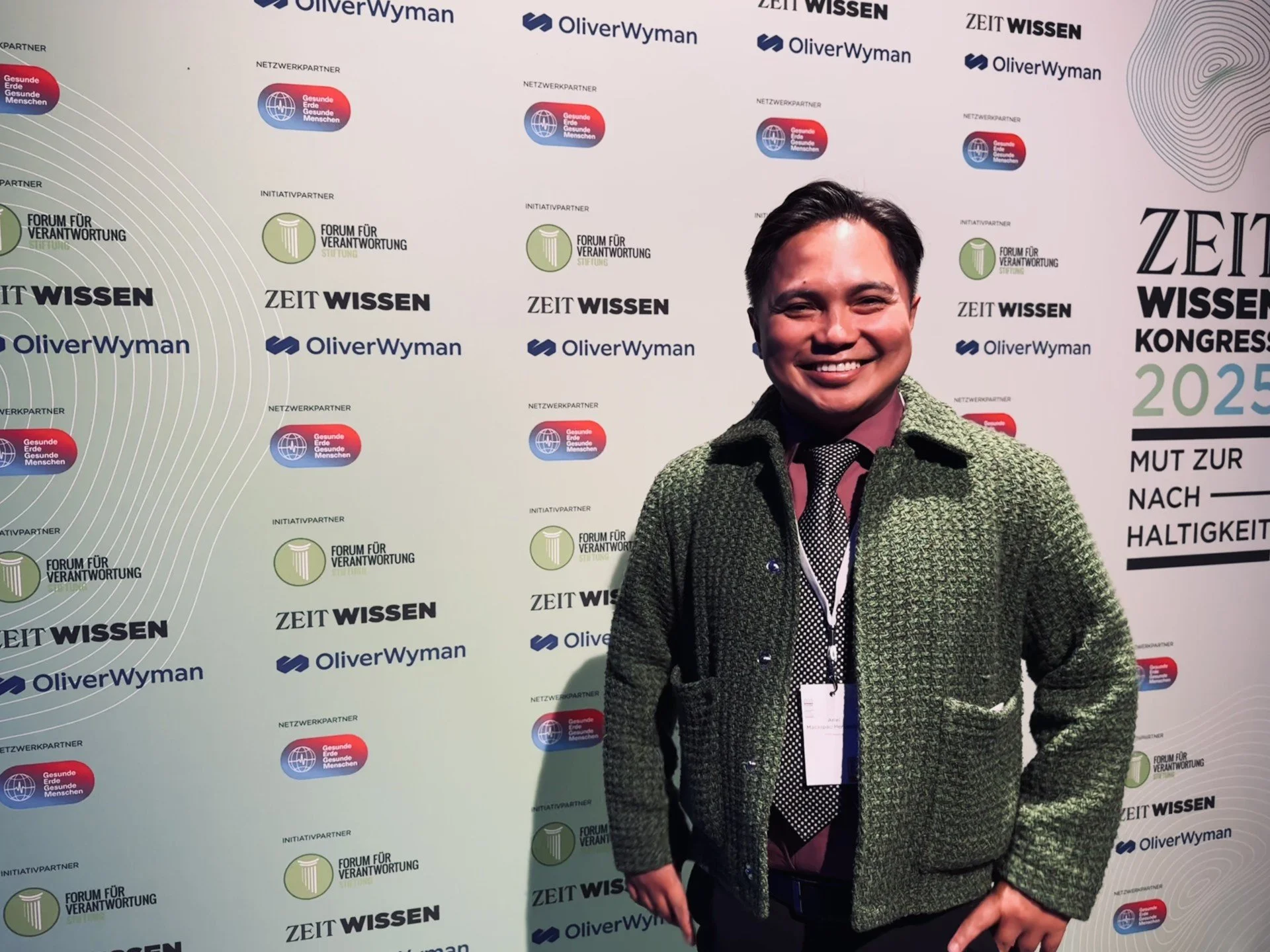
ZEIT WISSEN Kongress 2025 – Mut zur Nachhaltigkeit
In September 2025, I spoke at the ZEIT WISSEN Kongress – Mut zur Nachhaltigkeit in Berlin, joining the panel “Climate Politics in the Global South” moderated by Maria Mast. It was a privilege to bring perspectives from the Philippines and the Global South into a German public debate on sustainability, justice, and transformation.
Lakapati: Bringing Heritage to the Stage
To make this vision tangible, I shared a drawing of Lakapati, a deity of fertility and nourishment in pre-colonial Filipino belief systems. For me, Lakapati symbolizes a counter-narrative to extractive modernity: one that recognizes reciprocity, interdependence, and abundance. By bringing Lakapati to the stage, I wanted to share a piece of my heritage with the German audience – and to show how ancestral wisdom can still speak powerfully to our collective future.

Artwork by Ariel Macaspac Hernandez
Homo Curans: Care as a Political Vision
My intervention introduced Homo Curans – a vision of humanity defined not by competition or domination, but by care. I argued that in times of crisis, what saves us is not markets or calculations, but the outstretched hand of another human being. Care is not peripheral to politics; it is the very foundation of resilience and flourishing.
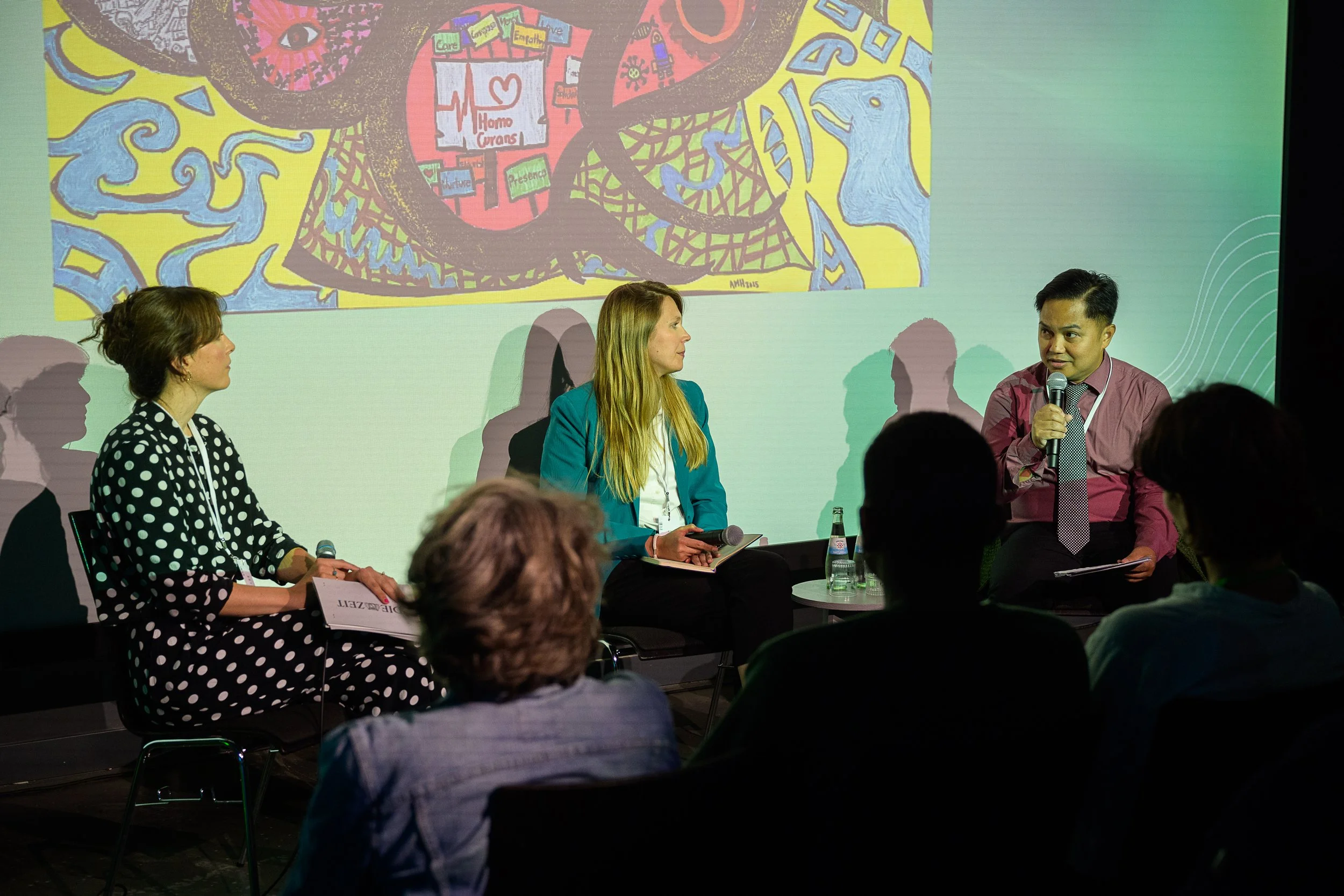

Photo credit: Phil Dera
Photo credit: Phil Dera

Upcoming non-academic Publication
The Right to be Ordinary – My Story of Homecoming is a lyrical memoir that bridges lived experience, philosophy, and science. It is about the radical quest to live an ordinary life. It traces the journey of a Filipino migrant through trauma and displacement toward healing and belonging. The book experiments with form, blending narrative, dialogue, and reflection, and it incorporates original artwork and interactive elements that invite readers to pause, respond, and engage with the text in new ways. At its heart lies the idea that in a world marked by inequality and fracture, claiming the right to be ordinary is itself an act of resistance and care. It combines intimacy and poetic force with conceptual depth, but it also extends my highly cited research on global development and human flourishing. It offers an underrepresented Asian perspective and by engaging readers not only through story but through participatory encounters that blur the boundary between memoir and collective reflection.
Project Highlight


Project highlights
Articles
Hernandez, A.M. (2026) Reclaiming Care – Homo Curans as Vision for Human Flourishing and Sustainability Transformation, in Zwitter, A. (ed.) Human Flourishing Across Cultures and Disciplines. Paradigms of Well-Being and Development, London, Bloomsbury, pp. 209-228, https://doi.org/10.5040/9781350547841.ch-13
Zwitter, A., Ellis, G., Hernandez, A.M., Hoffman, W., Ura, K. & Hecht, R. (in press, 2026) Human Flourishing: An Integrated Systems Approach to Development Post 2030 – in Zwitter, A. (ed.) Human Flourishing Across Cultures and Disciplines. Paradigms of Well-Being and Development, London, Bloomsbury, pp. 261-276, https://doi.org/10.5040/9781350547841.ch-16
Presentations
Hernandez, A.M. (2025) Reclaiming Care – Homo Curans as Vision for Human Flourishing and Sustainability Transformation, International Public Policy Association, Winter School Doha Edition 2025, 19-23 January 2025, slides here
Project abstract
In the context of an interconnected polycrisis—encompassing climate change, biodiversity loss, social inequality, and geopolitical tensions—this paper introduces a transformative vision for sustainability centred on the concept of care. By redefining human flourishing through the lens of Homo Curans, the caring human, the paper argues for integrating multidimensional care into sustainability pathways. This approach emphasizes care for oneself, others, society, the environment, and transcendental or spiritual as essential components for achieving sustainable and equitable futures.
This redefined vision of human flourishing calls for further debate and research on the role of care in sustainability transformations. It underscores the need for ethical boundaries and value systems that support holistic development, aiming to create a resilient, just, and sustainable future for all. By placing care at the heart of sustainability efforts, the paper offers a compelling alternative pathway that prioritizes well-being and interconnectedness, fostering resilience and adaptability in the face of global challenges.
Key to the project is also my long-standing collaboration with the Deep Institutional Innovation for Sustainability and Human Development (DIIS) network hosted by the University College Cork.
