Teaching Future Leaders for a Complex World
Teaching Philosophy
Education is more than the transmission of knowledge. It is a collaborative process through which students learn to question assumptions, integrate diverse perspectives, and apply evidence to complex societal challenges. My teaching combines rigorous academic foundations with practical problem-solving, encouraging students to connect theory with policy and practice.
Drawing on experience across Europe, Asia, Africa, Latin America, and the Caribbean, I create interdisciplinary learning environments where students engage with sustainability transformations, global governance, negotiation, and international development. Whether in a university classroom or professional training programme, the objective remains the same: to cultivate critical thinkers who can work across disciplines, cultures, and sectors to address the challenges of the twenty-first century.
Highlights of Teaching
Designing curricula for sustainability and global governance
I have designed and delivered undergraduate, postgraduate, and executive education programmes at institutions including the University of Duisburg-Essen, the University of Technology, Jamaica, and Ateneo de Manila University. My teaching covers climate governance, sustainable energy, international negotiations, political economy, and global development.
A particular highlight was co-leading the development of the M.A. in Sustainable Energy and Climate Change in Jamaica, which subsequently informed programmes across several CARICOM universities. In the Philippines, I designed a public policy curriculum under the EU-funded ASEP-CELLs project to strengthen capacity for renewable energy governance.
Executive education and professional training
Beyond the university, I regularly teach government officials, practitioners, and early-career professionals through international training programmes, including the Managing Global Governance (MGG) Academy and the United Nations System Staff College. Participants have come from Europe, Africa, Asia, and Latin America.
These programmes combine academic concepts with practical tools for negotiation, multi-level governance, stakeholder engagement, and policy implementation.
Innovative and experiential learning
My teaching is built around active learning rather than traditional lectures. Students work with simulations, negotiation exercises, stakeholder dialogues, case studies, storytelling, and indigenous facilitation methods such as peace circles to analyse complex policy challenges.
This pedagogical approach, developed through my Learning Activation Approach, enables students to experience governance processes, negotiate competing interests, and develop the analytical and interpersonal skills required for collaborative decision-making.
Mentoring researchers and future leaders
I have supervised and mentored students and early-career researchers working on sustainability transitions, renewable energy, climate governance, and international negotiations. My mentoring emphasises intellectual independence, methodological rigour, and the translation of research into policy and societal impact.
Working across institutions including IIASA, IDOS, and GIGA, I support researchers in connecting academic excellence with practical relevance.
Interdisciplinary and multicultural learning
Having taught in Europe, Asia, Africa, Latin America, and the Caribbean, I adapt teaching methods to diverse cultural and institutional contexts while maintaining high academic standards. Students are encouraged to draw on their own experiences and disciplinary backgrounds to explore shared global challenges.
This international perspective helps develop graduates who are equipped to work across cultures, sectors, and disciplines in addressing sustainability transformations.
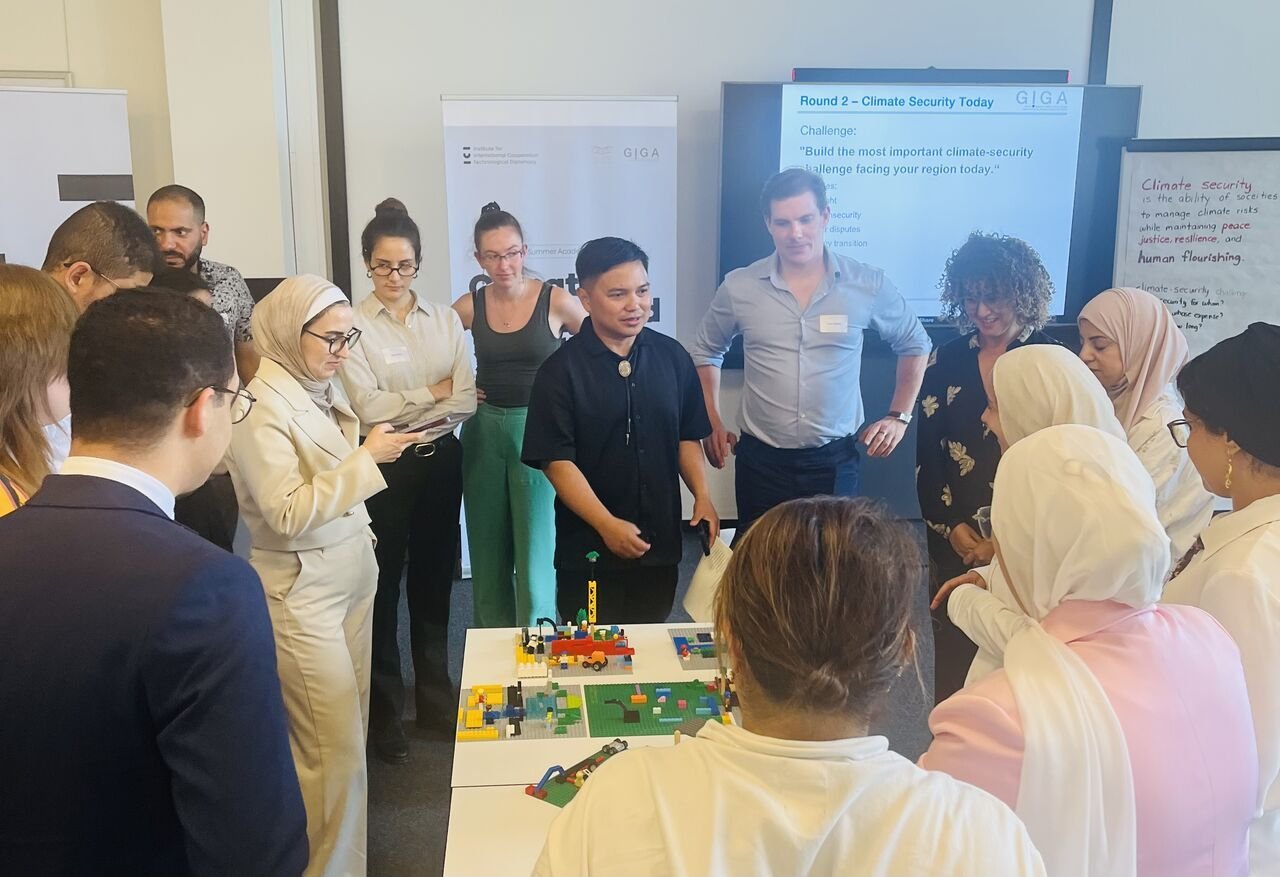
Strategic Foresight in Climate Security (Hamburg, 2026)
Workshop: Strategic Foresight in Climate Security
Young Leaders Summer Academy: Climate Change and Security
5-8 July 2026, Hamburg
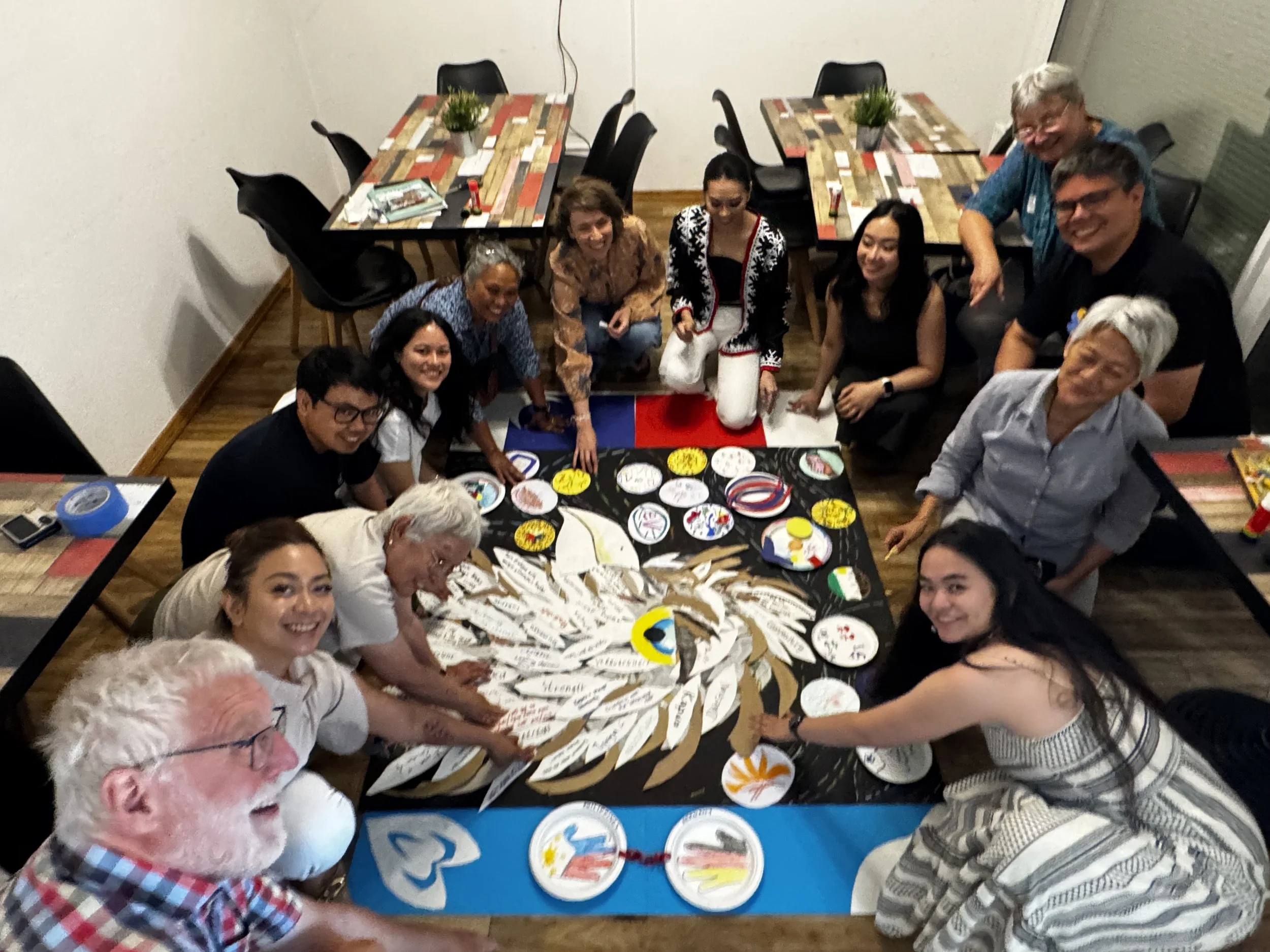
Pakikipagkapwa and Brain Twinning: Working towards a shared future for labour migration
Pakikipagkapwa and Brain Twinning: Working towards a shared future for labour migration
2026 Annual Conference Philippinennbüro, Asienhaus e.V.: Focus Migration Philippines & Germany. Departure, Arrival, and Participation
July 3-5, 2026
Haus Venusberg, Haager Weg 28-30, 53127 Bonn-Venusberg, Germany