Science, Dialogue and Societal Impact
Research creates its greatest value when it informs decisions, empowers people, and inspires collective action. Throughout my career, I have worked at the interface of science, policy, and society, translating research into practical solutions while co-creating knowledge through dialogue across disciplines, sectors, and cultures.
Over the past 15 years, I have designed and facilitated more than 100 stakeholder dialogue workshops in over 20 countries, bringing together governments, international organisations, businesses, civil society, and academia to address complex sustainability challenges. My work spans climate governance, renewable energy, sustainable trade, food systems, global development, science diplomacy, and peacebuilding.
Strategic Partnerships and Policy Change
My work has supported the design and implementation of policies and institutional partnerships that strengthen sustainability governance.
Notable examples include the co-development of the Center of Excellence for Sustainable Energy in the Philippines under the European Union-funded ASEP-CELLs programme. The initiative trained more than 200 government officials, engineers, and community leaders while establishing long-term cooperation between universities and research institutes in Germany and the Philippines. It contributed to strengthening national renewable energy policy and expanding local capacities for community-based energy transitions.
In Indonesia, I supported the establishment of the country's National Platform on Sustainability Standards under the EFTA-Indonesia Free Trade Agreement. Through a series of multi-stakeholder dialogues involving public institutions, industry, and civil society, the platform strengthened national engagement with sustainability standards during international trade negotiations.
Knowledge Co-creation and Global Dialogue
Many of today's sustainability challenges cannot be solved through scientific expertise alone. My work therefore combines research with participatory dialogue to enable collective learning and decision-making.
Between 2019 and 2024, I led stakeholder engagement under the European-funded SHAPE project, facilitating workshops across Europe, Asia, Africa, and Latin America and drawing upon consultations with more than 200 experts and stakeholders from over 30 countries. The resulting sustainability roadmaps informed climate resilience planning and advanced the integration of social science perspectives into global sustainability scenarios.
I have also co-organised international conventions on sustainable trade and sustainability standards, bringing together hundreds of participants from government, business, academia, and civil society. These platforms supported the uptake of sustainability standards in global value chains and strengthened dialogue between public and private actors.
Capacity Building and Leadership Development
Building capacities is central to achieving lasting transformation.
I designed and implemented the Managing Global Governance Academy, funded by the German Federal Ministry for Economic Cooperation and Development (BMZ), which trained more than 100 emerging leaders from Brazil, China, India, Indonesia, Mexico, and South Africa on sustainability, climate justice, and global governance. Many alumni have since assumed leadership positions in government, academia, and international organisations.
I also developed the curriculum for the Master's Programme in Sustainable Energy at the University of Technology, Jamaica, contributing to regional capacity building across the Caribbean and supporting the education of more than 300 students and professionals.
Global Security and International Negotiation
My work extends beyond sustainability into international peace and security.
In collaboration with the Comprehensive Nuclear-Test-Ban Treaty Organization (CTBTO), I contributed to the development of training programmes for international nuclear test inspectors, strengthening capacities for treaty verification and compliance. This experience informed my contribution to the Cambridge University Press volume Banning the Bang or the Bomb? Negotiating the Nuclear Test Ban Regime, examining the negotiation dynamics underpinning international arms control.
From Knowledge to Impact
My research has contributed to major international initiatives, informed policy discussions within organisations including UNCTAD and UNIDO, and supported successful research proposals securing several million euros in competitive funding for sustainability research and capacity-building initiatives.
Across these activities, a common principle has guided my work: scientific knowledge creates its greatest societal value when it is combined with dialogue, creativity, and collaboration. Whether advising governments, facilitating stakeholder processes, designing educational programmes, or engaging the public through science communication, the goal remains the same: to develop knowledge that enables more just, caring, and flourishing futures.
Recent Stakeholder Events
-
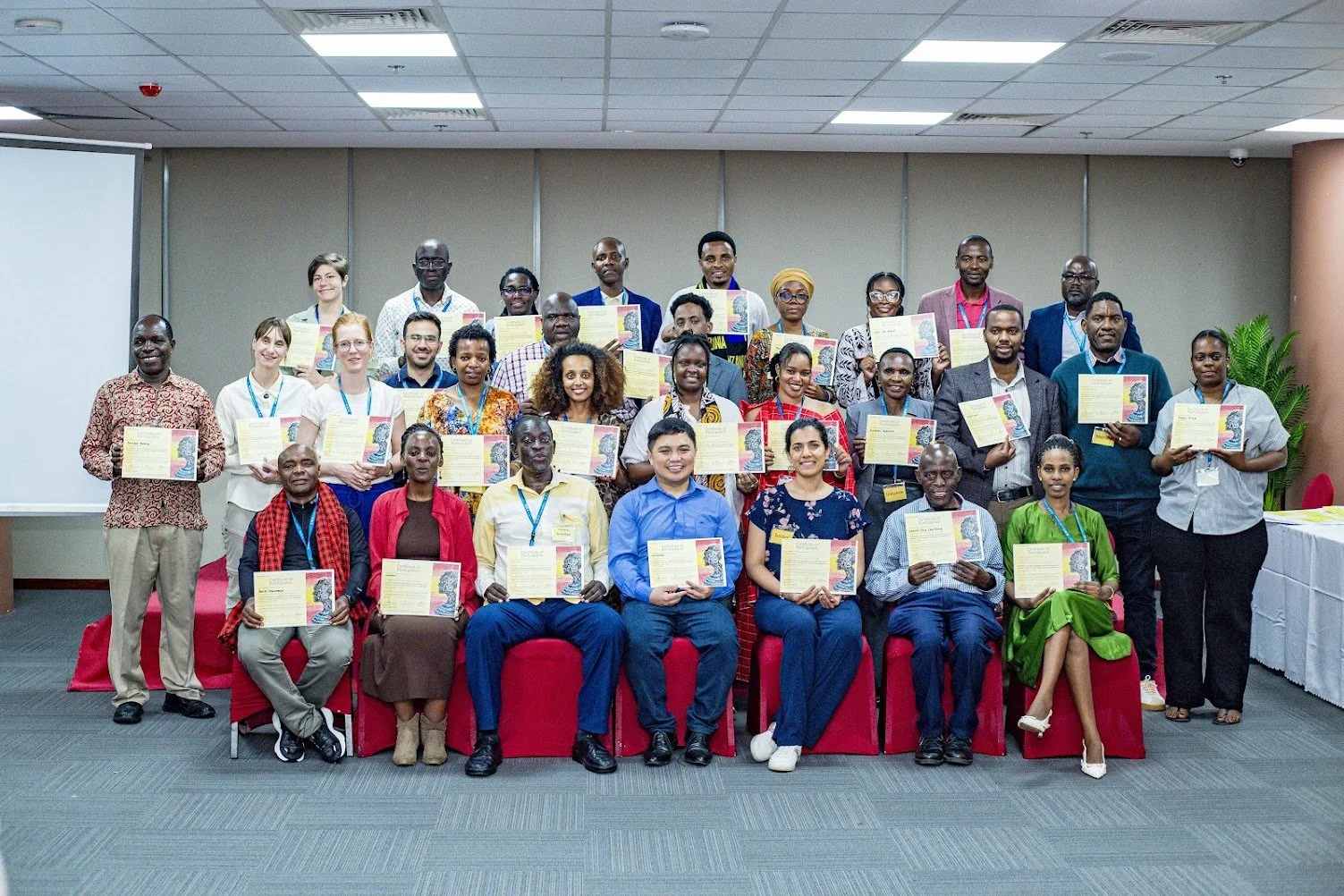
Utu/Ubuntu Futures 2026
Mtu ni watu
Utu/Ubuntu Futures Tanzania 2026
Co-creating Food, Biodiversity, and Climate Futures through Relational Foresight
June 1-2, 2026 King Jada Hotel, Dar es Salaam, Tanzania
This workshop is not designed as a conventional consultation, expert conference, or showcase of best practices. It is a structured space for collective reflection on what kinds of futures current decisions, institutions, and relationships are already producing, and what would need
-
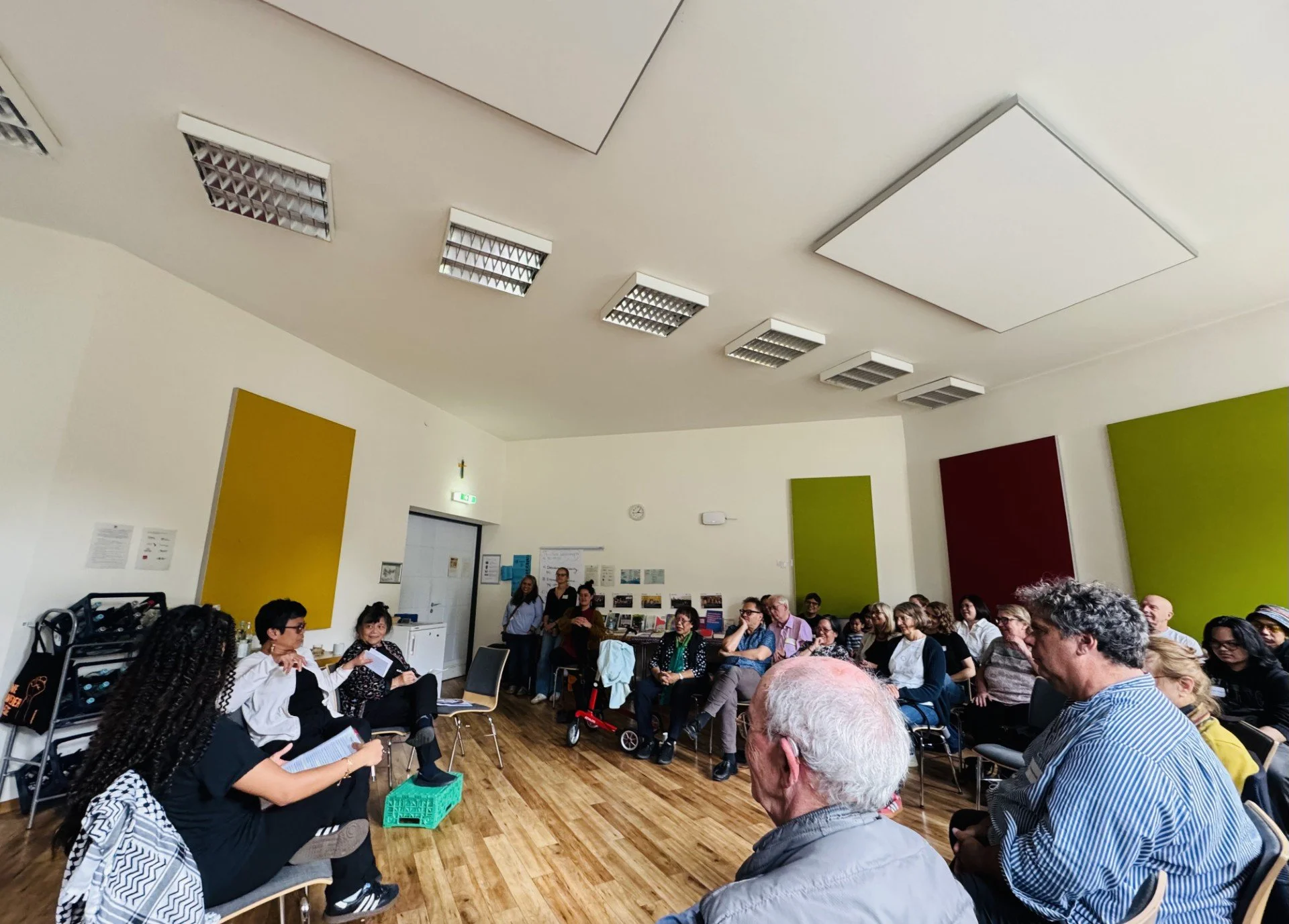
Across Borders – Migration, Power, and Humanity
Jahresseminar 2025 of philippinenbüro e.V. (Stiftung Asienhaus)
September 12-14, 2025. Haus Venusberg, Bonn
This year’s Jahresseminar brought together civil society actors, Filipino community leaders, scholars, youth, and trade union representatives to address one urgent question:
How can migration between the Philippines and Germany move from dependency to solidarity?
-

Cork Workshop: Restoring the Sacred Ordinary in a Time of Polycrisis
June 17-18, University College Cork, Ireland
A follow-up action from workshops in Hamburg, this event aims to challenge some of the fundamental ideas underpinning current efforts to address the contemporary polycrisis.
The highlight of the workshop is the Declaration on ‘Restoring the Sacred Ordinary - Uniting the Religious and the Secular in a Time of Polycrisis’
-

T4T Co-LABorate 3 / HSC Accelerator Panel Title: Exploring Market Solutions for Biodiversity Conservation in Global Trade
Hamburg Sustainability Conference
June 2-3, 2025
This stakeholder discussion addresses addresses the challenges related to biodiversity protection through VSS. and presents scalable solutions to address challenges, providing a platform to reflect on implications of private sector-led biodiversity conservation initiatives.
-
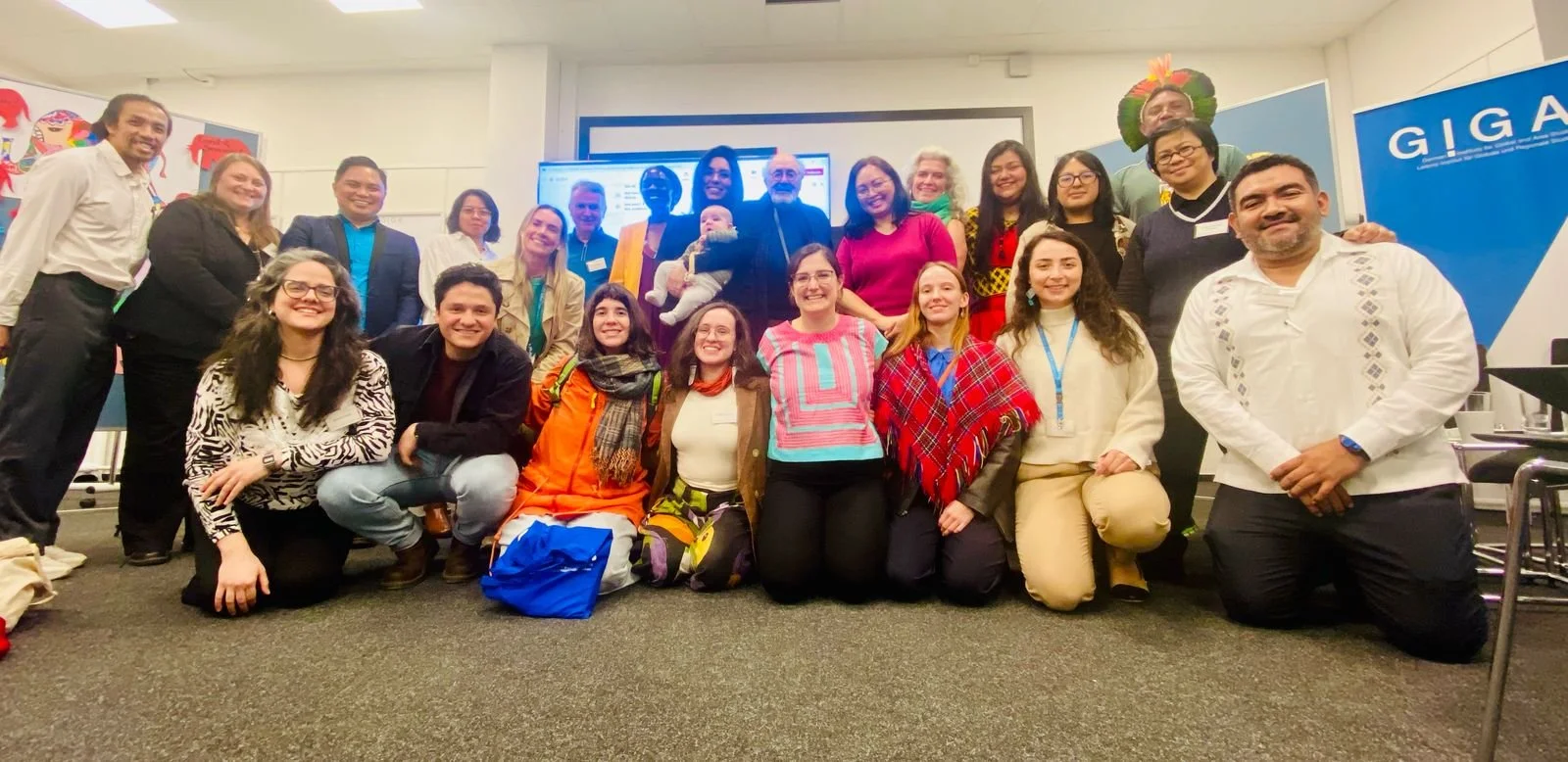
T4T Co-LABorate 2 Stakeholder Workshop: Preserving and Transferring Indigenous Knowledge in a Digital World
March 10-12, 2025
German Institute for Global and Area Studies (GIGA), Hamburg
The main goal of the workshop is to identify and address the essential challenges and opportunities for global transfotmation towards sustainability through the preservation and dissemination of indigenous knowledge in a ditgital age.
-
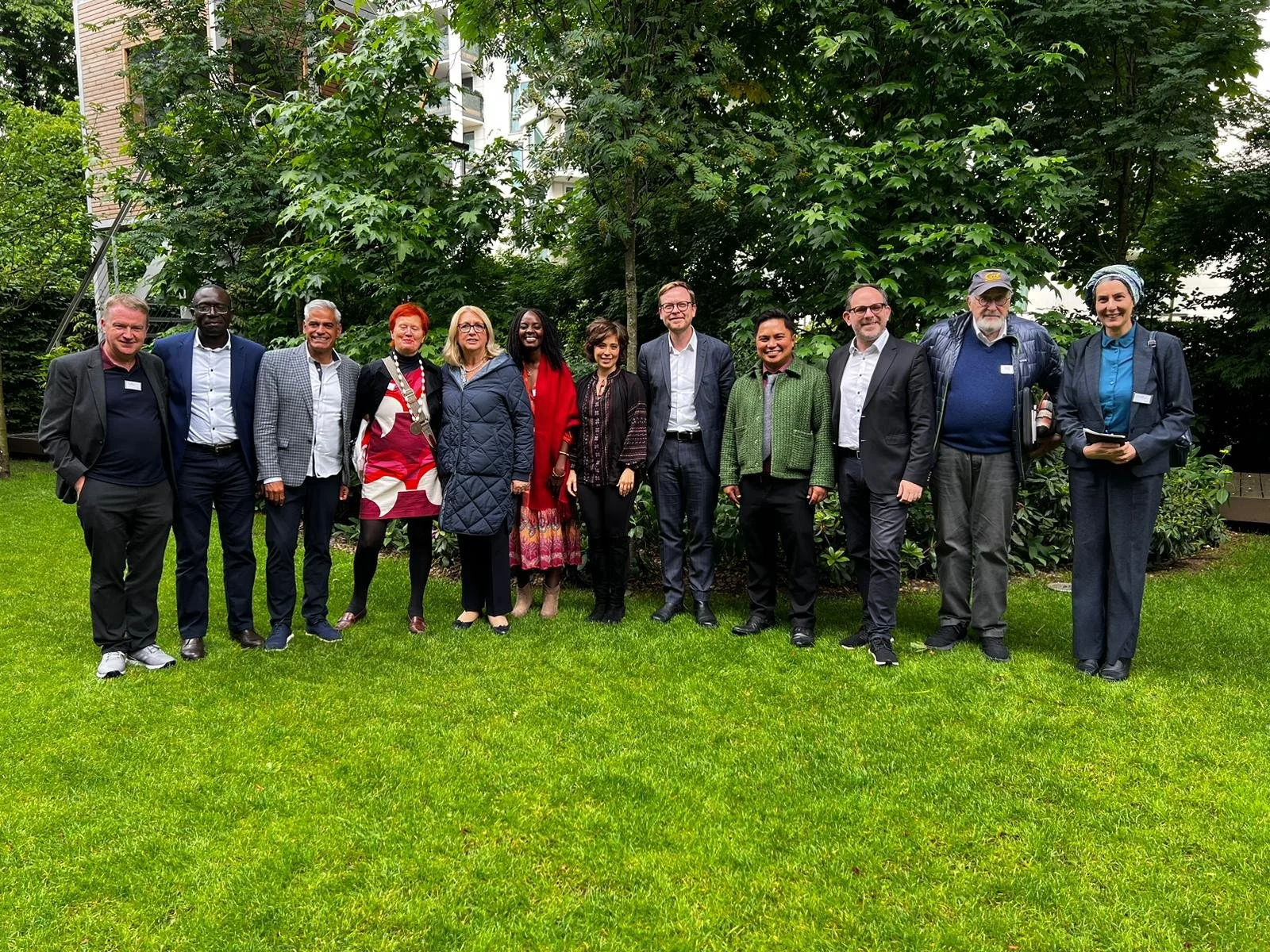
Religions in Transformation to Sustainability
June 12-13, 2024
THE NEW INSTITUTE, Hamburg
This workshop aims to explore the capacity for religions to overcome their own self-referential dogmatism and sectarian certainties and engage in open discovery with other religious and secular actors on the basis of a common ethical foundation of care, love and respect.
-
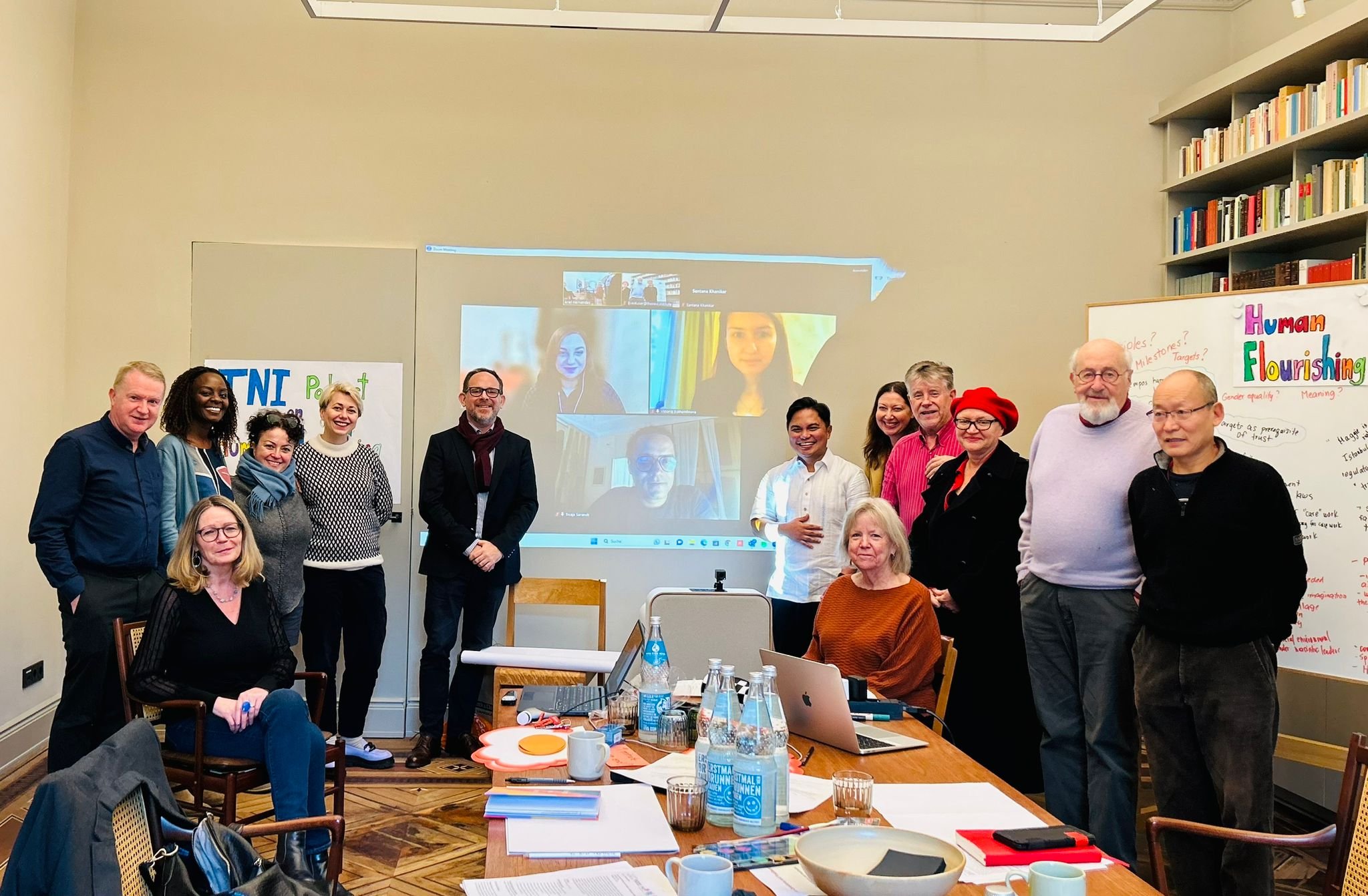
Beyond Gender Equality in Human Flourishing - Dismantling Violent Dominance Hierarchies
November 6-7, 2023
THE NEW INSTITUTE, Hamburg
This workshop aims to "dig up the roots" to examine the sociology of gender in the coming climate transition and sustainability transformation, the cultural meanings associated with gender identities, gender categories and gender ordering, and understandings of sexual citizenship.
Caspian Dialogue (2008)
Organized by the Processes of International Negotiation (PIN) Program of the International Institute of Applied Systems Analysis (IIASA) and the Hollings Center for International Dialogue
Newspaper coverage of the event, Der Standard, 16 Sept. 2008