Abundance mind-set
We talk about scarcity as if it were a fact.
✨ Brightest Stars in Dark Times ✨
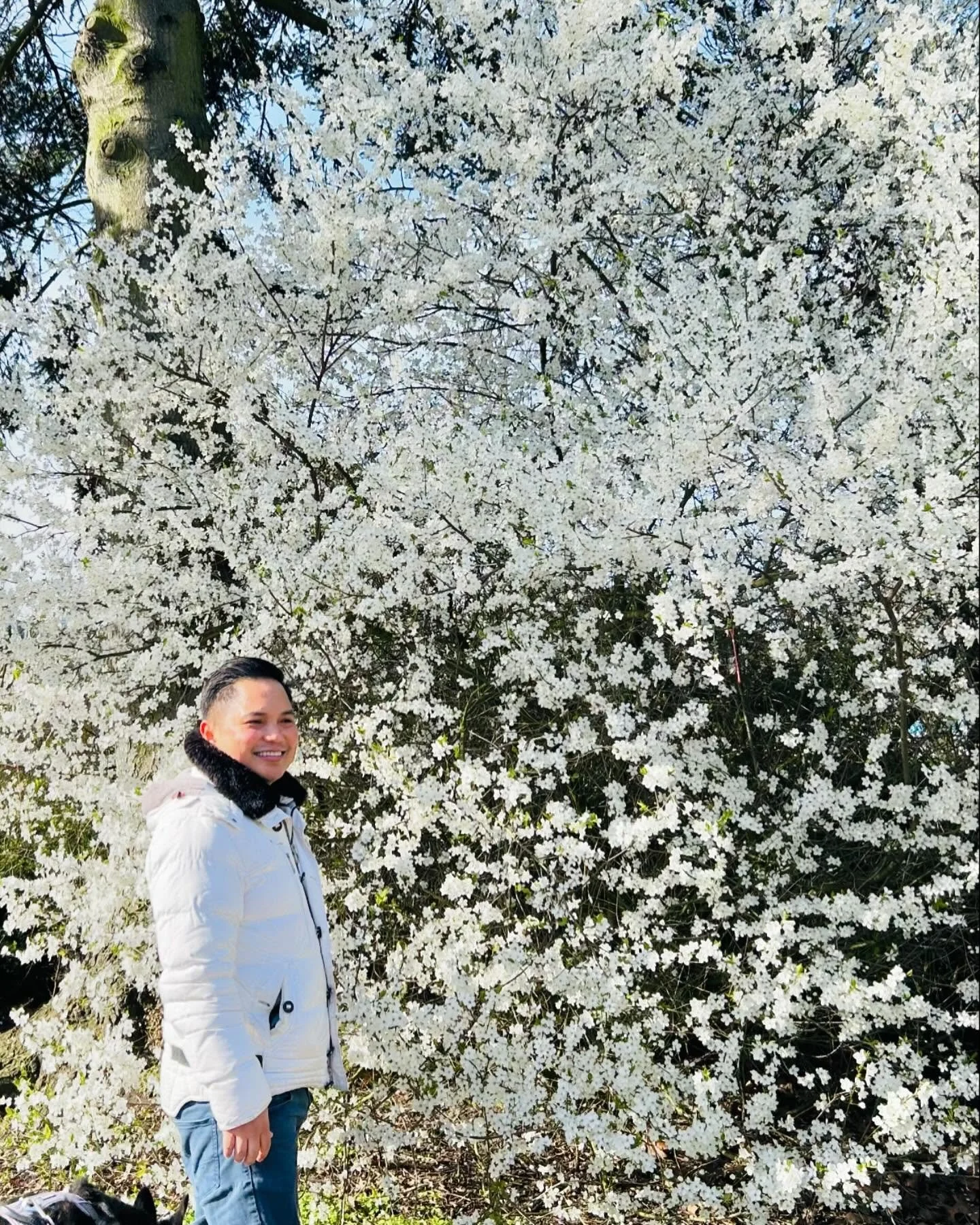
When I walk through nature, I struggle with one idea we often carry so easily:
That there is not enough.
Not enough resources.
Not enough opportunities.
Not enough space for others to thrive.
Because what I see around me tells a different story.
Trees that grow, shed, and grow again.
Soil that regenerates.
Ecosystems that sustain life through cycles of renewal.
Nature does not hold on.
It circulates.
What looks like loss is often part of regeneration.
What disappears returns in another form.
There is an abundance in that cycle.
But here is the tension.
Human systems often operate differently.
We accumulate.
We extract.
We protect what we have, often out of fear that there will not be enough left.
And sometimes, that fear becomes self-fulfilling.
I have seen how quickly scarcity thinking shapes policy decisions.
What gets funded.
What gets restricted.
Who is included.
And who is left out.
Scarcity is not only a condition.
It is also a mindset that shapes how we act.
An abundance mindset does not mean ignoring limits.
Nature itself has boundaries.
Ecosystems collapse when those boundaries are ignored.
But abundance is not the same as excess.
It is the recognition that value can be created, shared, and regenerated.
That cooperation can expand what is possible.
That care can sustain what competition alone cannot.
Perhaps the question is not whether the world is abundant or scarce.
But what kind of systems we choose to build.
Systems driven by fear of not having enough.
Or systems that trust in the possibility of renewal, sharing, and growth.
Because the difference between scarcity and abundance
is not only what we have.
It is how we relate to it.