
When representation finally lands, it lands.
I did not expect a pop culture film to make me think about representation and dignity.
Yet here we are.
✨ Brightest stars in the darkest times ✨
The song “Golden” from KPop Demon Hunters won Best Original Song at the Golden Globe Awards. And this coming weekend, it may even take home an Oscar. Suddenly, this feels bigger than entertainment.
This is not just about a film.
It is about recognition. On screen. In music. In global culture.
What moved me was the sense that this moment reflects a broader cultural shift that has been gaining momentum. Increasingly, Asian women and men are portrayed with confidence, complexity, vulnerability, and style. With depth and authenticity.
No apology required. No translation needed. No shrinking expected.
Years ago, I read a CNN article discussing how Asian men were widely perceived as “not masculine enough.” That narrative was not abstract. It seeped into dating patterns, self-worth, and how we learned to take up, or not take up, space.
Tinder data once showed Asian men were the least swiped-right profiles on the platform. It went viral not because it shocked people, but because it confirmed something many already lived.
The stereotypes were familiar.
Emasculated. Undesirable. Reduced.
Fast forward.
Asian faces everywhere. Asians no longer one dimensional.
Crazy Rich Asians.
Bridgerton.
Superstore.
The Pitt.
Behind the glamour, something structural has shifted. Scholars increasingly discuss the rise of soft masculinity. Emotional expressiveness, aesthetic sensitivity, care, and relational presence are now seen as attractive rather than deficient.
K-pop did not just globalize a genre. It reframed masculinity. It made space for Asian men to be seen as desirable without copying Western hypermasculine norms.
That is why this moment matters to me.
Not because awards fix everything.
But because culture recalibrates what is visible, valued, and possible.
Representation is not vanity.
It is orientation.
And sometimes, a pop-cultural moment becomes one of the brightest stars. It tells you, quietly but unmistakably,
You were never lacking. The world was simply late in learning how to see you.
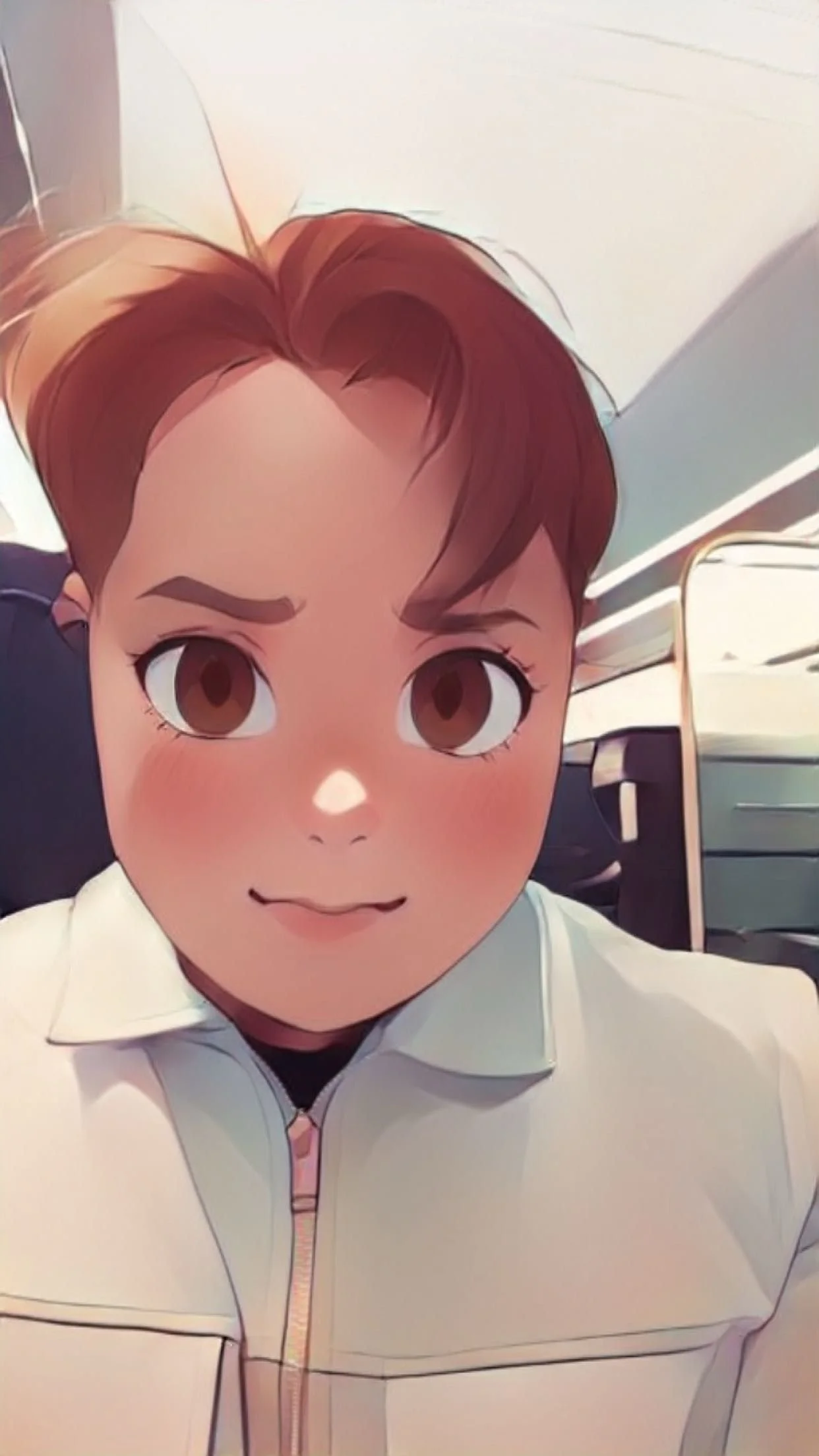
Photo caption: Me, as an avatar.
Because sometimes representation starts with allowing yourself to be seen, gently, on your own terms.
#BrightestStars #RepresentationMatters #AsianMasculinity #SoftMasculinity #KPop #PopularCulture #Visibility #Identity
Kpop and representation
Previous
Previous
Leaders after leaving office
Next
Next